
Vibrant Days… Flourishing with Sensory Processing Sensitivity
The Role of Environmental Sensitivity in Mental Health
We are looking for clinics to take part in an exciting new study on the impact of Environmental Sensitivity (ES) on patient outcomes.
Project Lead: Tom Falkenstein, Queen Mary University of London
Supervisors: Prof Michael Pluess, Dr Margherita Malanchini, Dr Kristin Hadfield
What is Environmental Sensitivity (ES)?
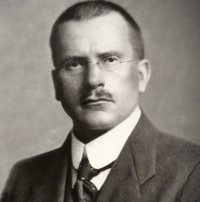 Environmental Sensitivity (ES) is a common trait, equally influenced by genetic and environmental factors, and driven by a more sensitive central nervous system. Research has found that about 31% of the population are ‘highly sensitive’ (measured with a short questionnaire), which is different from being introverted or shy. Swiss psychiatrist C. G. Jung first introduced the idea of ‘innate sensitiveness’ in 1913 but the understanding that some people are more sensitive than others to both negative and positive experiences did not receive a lot of attention in research until more recently. You can find more information on sensitivity on our popular website www.sensitivityresearch.com.
Why does Environmental Sensitivity (ES) matter when it comes to the treatment of patients?
ES is not a psychological disorder, but high ES is associated with increased risk of developing symptoms of distress and mental health problems, including anxiety, depression, and emotional regulation issues.
In line with evidence that sensitive individuals benefit more from positive experiences, it has been found that people with high ES respond more positively to psychological treatment, including mood induction, depression prevention programmes in adolescents and school-based antibullying programme in children. In other words, being highly sensitive can make people more vulnerable to developing mental health problems, but it means that they may also benefit more from psychological treatment and interventions.
Why is this research project needed and what is it about?
Although over 100 studies have been published on sensitivity as a trait since the 1990s, very little is known about its clinical implications. What proportion of mental health patients are highly sensitive? Do they differ in their treatment outcomes? How does ES shape the experience of therapy?
This study aims to address these questions and to increase our knowledge of sensitivity in the clinical context of adult patients in general psychiatry. It is the first study on sensitivity that uses a clinical sample which makes it a truly exciting and ground-breaking project.
We are currently carrying out a pilot study with a private day-care clinic in Germany and we are planning to extend the collaboration with other clinics from the UK and/or Germany.
Project design
This study will have a longitudinal (three measurements over treatment), mixed-methods research design, with an aspired total sample size of about 300 adult patients. The data collection is scheduled to start in summer 2022 and will include short online surveys in the beginning, in the middle and after treatment. The project will address the following research questions:
- What is the association between sensitivity and mental health problems?
- Do highly sensitive patients differ in their treatment outcomes?
- How does sensitivity shape the experience of therapy in patients? (sub-sample, interviews)
Who is doing the research?
 Tom Falkenstein is a psychologist, cognitive behavioural psychotherapist and author of the book The Highly Sensitive Man (HarperCollins, 2019), which has been translated into several languages. He has been working as a psychotherapist since 2006, both in Germany and the UK, and developed an interest in sensitivity as a trait during his work in London. He was trained and supervised by clinical psychologist and researcher Dr Elaine Aron, author of the international bestseller
 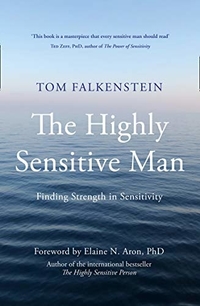 The Highly Sensitive Person, who spearheaded sensitivity research in the 1990s. Currently based in Berlin, he runs a large private practice and founded the European Centre of High Sensitivity in 2015.
In 2020, Tom started this research project, as part of his PhD, at Mary University of London with Professor Michael Pluess, one of the leading researchers on Environmental Sensitivity (ES).
Michael Pluess, PhD, is a chartered psychologist and Professor in Developmental Psychology at the Department of Biological and Experimental Psychology at  Queen Mary University of London. Prof Pluess’ research focuses on the investigation of individual differences in the capacity for Environmental Sensitivity, the notion that some people are more affected by negative as well as positive experiences than other people. His influential research on Differential Susceptibility and Vantage Sensitivity has been published in the leading journals in Psychology and Psychiatry.
How can we be involved?
We are currently looking for clinics that would be interested in collaborating on this project. The collaboration would include:
- Giving access to adult patients (and ideally available data) from the general psychiatric programme from the beginning of their treatment (preferably day-care patients)
- Patients would be invited to voluntarily complete 30-minute online surveys at three points during their treatment (beginning, middle and end) (total commitment: 90 minutes)
- Of all included patients, a subsample of about 30 patients will be invited to take part in a more in-depth one-to-one interview with Tom Falkenstein at the end of their treatment (total commitment: 60 minutes)
Clinics who take part in the project will be offered a package of free workshops and professional training opportunities for clinical staff on measuring Environmental Sensitivity and working with ES patients.
For more information, please contact Tom Falkenstein on: t.falkenstein@qmul.ac.uk

Book I couldn’t put down that broke me open:
Oprah’s Book Club: All the Way to the River: Love, Loss, and Liberation
What I’m listening to while grinning and grimacing:
What I’m pondering:
Yet there were moments, even amid all the dissonance of that awful summer, when I thought I could see something mysterious moving behind all this drama—something that was nearly out of frame, something that shimmered right at the furthest edges of my comprehension.
~ Elizabeth Gilbert from All The Way To The River
